
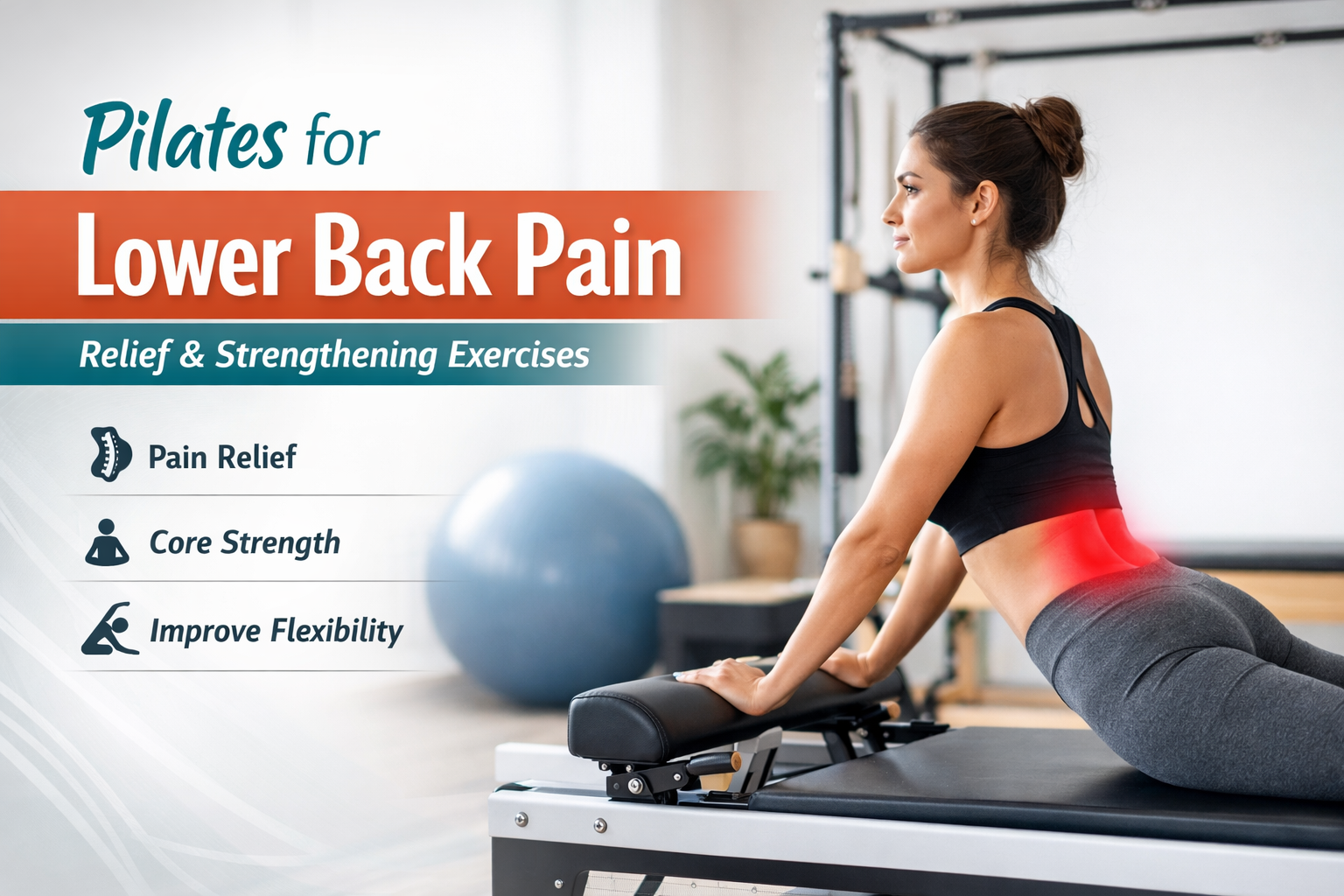
Lower back pain can feel like an unwanted guest that refuses to leave. It affects how you sit, walk, work, and even sleep. The good news? You don’t always need complicated treatments to start feeling better. Sometimes, the right kind of movement can make a big difference and that’s where pilates for lower back pain comes in.
Pilates focuses on controlled movements, proper alignment, and core strength. Think of it as building a strong support system for your spine like reinforcing the foundation of a house so it can stand firm for years.
Why Pilates Works for Lower Back Pain
Unlike intense workouts that can strain your body, Pilates is a low impact workout for back pain. It gently strengthens muscles while improving flexibility and posture.
Here’s why it’s effective:
- It targets deep core muscles that support your spine
- Improves posture and body awareness
- Reduces stiffness with controlled stretching
- Helps prevent future injuries
When done consistently, pilates for lower back pain doesn’t just relieve discomfort it addresses the root cause.
Understanding the Root of Lower Back Pain
Before jumping into exercises, it helps to understand why pain happens.
Common causes include:
- Weak core muscles
- Poor posture (especially long sitting hours)
- Tight hamstrings or hip flexors
- Lack of movement
Imagine your core as a natural back brace. When it’s weak, your lower back takes on extra stress. That’s why core strengthening exercises are essential.
Best Pilates Exercises for Lower Back Pain Relief
Let’s break down some of the best exercises for lower back pain relief that you can safely do at home.
1. Pelvic Tilt
A simple yet powerful movement.
How to do it:
- Lie on your back with knees bent
- Gently tilt your pelvis to flatten your lower back
- Hold for a few seconds, then release
Benefits:
- Activates core muscles
- Relieves tension in the lower back
This is one of the easiest exercises to relieve back pain at home.
2. Cat-Cow Stretch
Perfect for stretching for lower back pain.
How to do it:
- Start on hands and knees
- Arch your back (like a cat)
- Then drop your belly and lift your chest (cow position)
Benefits:
- Improves spine flexibility
- Reduces stiffness
Think of it as oiling the joints of your spine so they move smoothly.
3. Knee-to-Chest Stretch
A classic for lower back pain relief.
How to do it:
- Lie on your back
- Pull one knee toward your chest
- Hold and switch sides
Benefits:
- Releases tension
- Gently stretches lower back muscles
4. Glute Bridge
This is a must for core strengthening for lower back pain.
How to do it:
- Lie on your back, knees bent
- Lift your hips slowly
- Hold at the top, then lower
Benefits:
- Strengthens glutes and core
- Supports lower back
Strong glutes act like shock absorbers for your spine.
5. Bird Dog
Great for balance and stability.
How to do it:
- Start on hands and knees
- Extend opposite arm and leg
- Hold, then switch
Benefits:
- Improves coordination
- Builds core strength
6. Spine Stretch Forward
A gentle Pilates move for flexibility.
How to do it:
- Sit upright with legs extended
- Reach forward slowly toward your toes
Benefits:
- Enhances flexibility
- Reduces tightness
How Pilates Helps Chronic Back Pain
If you’ve been dealing with long-term discomfort, pilates for chronic back pain can be especially helpful.
It works by:
- Re-training your muscles
- Improving posture habits
- Reducing pressure on the spine
Unlike quick fixes, Pilates builds lasting strength. It’s like upgrading your body’s support system instead of patching the problem temporarily.
Studios like The Pilates Studio often focus on guided, safe routines tailored for pain relief. Working with trained instructors ensures proper form and faster results, helping many people with persistent discomfort find consistent relief through structured sessions.
Tips to Get the Best Results
To make the most of pilates for lower back pain, keep these tips in mind:
1. Focus on Form
Quality matters more than quantity. Slow, controlled movements are key.
2. Stay Consistent
Even 15–20 minutes daily can bring noticeable improvement.
3. Don’t Push Through Pain
Mild discomfort is okay, sharp pain is not.
4. Combine Strength and Stretching
Balance lower back pain exercises with flexibility work.
5. Improve Daily Habits
- Sit with proper posture
- Avoid long sitting hours
- Stay active throughout the day
Common Mistakes to Avoid
Even the best exercises for back pain relief can backfire if done incorrectly.
Watch out for:
- Holding your breath during exercises
- Moving too fast
- Ignoring alignment
- Skipping warm-ups
Think of Pilates like learning to drive control and awareness matter more than speed.
When to Expect Results
Results vary, but many people notice:
- Reduced stiffness within a week
- Improved mobility in 2–3 weeks
- Better strength and posture in a month
Consistency is the real game-changer.
Final Thoughts
Lower back pain doesn’t have to control your life. With the right approach, you can move better, feel stronger, and live more comfortably.
Pilates for lower back pain offers a safe, effective, and sustainable way to heal and strengthen your body. Whether you’re dealing with occasional discomfort or long-term issues, these exercises can help you regain control.
Start slow, stay consistent, and listen to your body. Over time, you’ll notice not just less pain but a stronger, more balanced version of yourself.
FAQs
1. Can Pilates really help with lower back pain?
Yes, pilates for lower back pain is highly effective because it strengthens core muscles, improves posture, and increases flexibility. Over time, this reduces strain on the lower back and helps prevent recurring pain.
2. How often should I do Pilates for back pain relief?
For best results, practice lower back pain exercises at least 3–4 times a week. Even short sessions of 15–20 minutes can make a noticeable difference if done consistently.
3. Are Pilates exercises safe for beginners with back pain?
Yes, Pilates is a low impact workout for back pain, making it suitable for beginners. Start with basic movements and focus on proper form to avoid strain or injury.
4. How long does it take to see results from Pilates?
Most people start feeling relief within 1–2 weeks. With regular practice of exercises for back pain relief, you can expect improved strength and flexibility within a month.
5. Can I do Pilates at home for lower back pain?
Absolutely. Many exercises to relieve back pain at home require little to no equipment. However, learning proper technique initially can help you get better and safer results.