
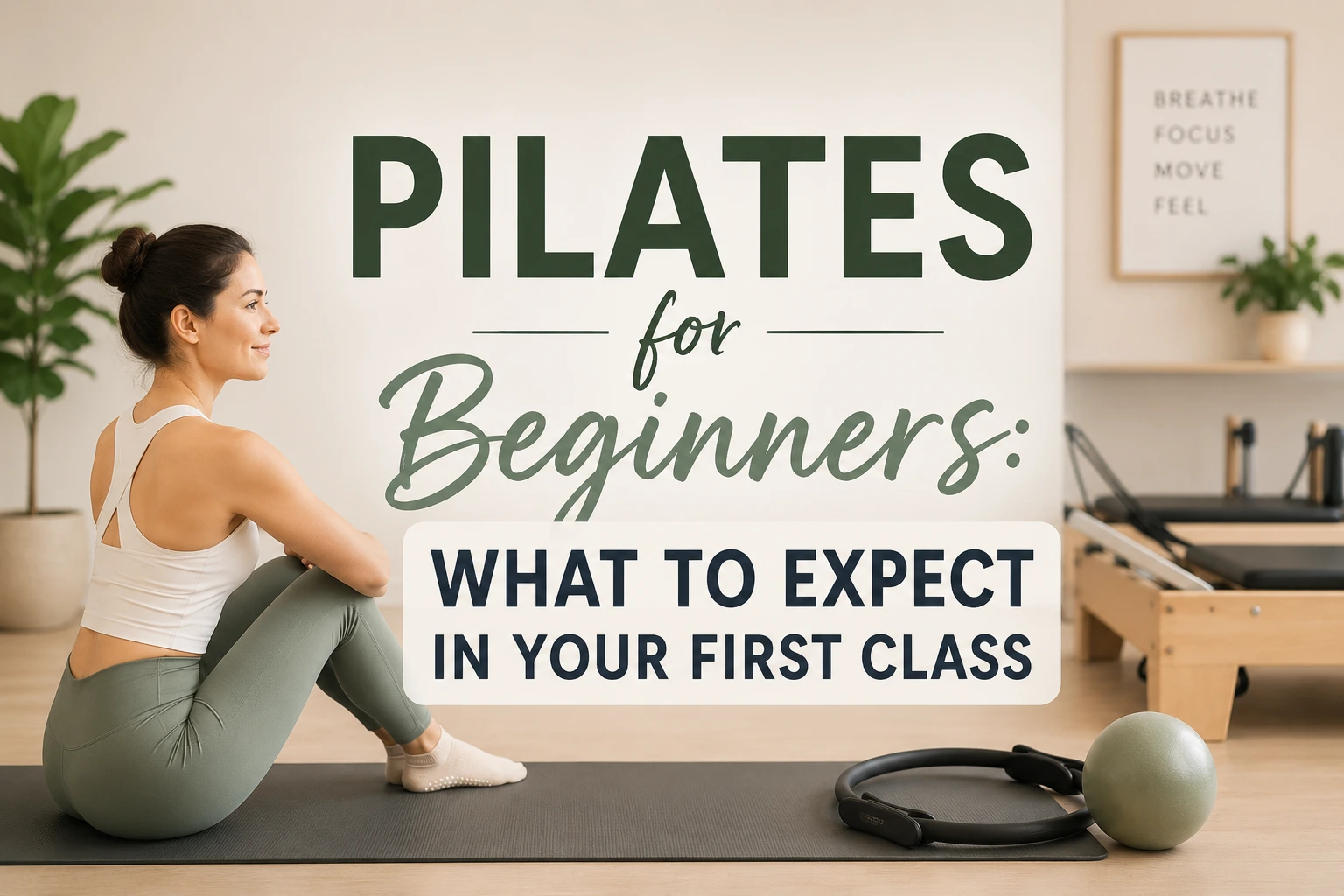
Pilates for Beginners: What to Expect in Your First Class
Starting something new can feel overwhelming, especially when it comes to fitness. If you are considering Pilates for beginners, you might be wondering what really happens in your first class. Will it be too difficult? Do you need prior experience? What should you wear or bring?
The good news is that Pilates is designed to be beginner friendly, adaptable, and incredibly effective. Whether your goal is to improve flexibility, build core strength, or simply move better, your first session sets the foundation for a healthier body.
What is Pilates and Why Beginners Love It
Pilates is a low impact exercise method focused on controlled movements, breathing, and alignment. Unlike high intensity workouts, it emphasizes quality over quantity.
For beginners, Pilates offers:
- Improved posture and flexibility
- Stronger core muscles
- Reduced stress and better mind body connection
- Lower risk of injury compared to traditional workouts
This makes Pilates for beginners an ideal starting point for people of all fitness levels.
What to Expect in Your First Pilates Class
1. A Quick Introduction and Assessment
Your instructor will typically begin by understanding your fitness level, any injuries, and your goals. This helps tailor the session to your needs.
At The Pilates Studio Delhi NCR, instructors focus on personalized attention, ensuring beginners feel comfortable from the start.
2. Focus on Breathing Techniques
Breathing is a key part of Pilates. You will learn how to coordinate your breath with movements, which helps improve control and effectiveness.
3. Basic Pilates Movements
Your first class will include simple exercises such as:
- Pelvic tilts
- Leg circles
- Spine stretches
- Core activation exercises
These foundational movements are essential in Pilates for beginners and help you understand proper form.
4. Slow and Controlled Pace
Do not expect a fast paced workout. Pilates is all about precision. Movements are slow, controlled, and intentional.
5. Use of Equipment or Mat Work
Depending on the class type, you may either:
- Perform mat based exercises
- Use equipment like reformers
Beginners usually start with mat Pilates before progressing.
What Should You Wear to Your First Class
Comfort is key. Choose:
- Fitted but stretchable clothing
- Breathable fabric
- Grip socks if required
Avoid loose clothes as instructors need to see your alignment clearly.
Tips to Prepare for Your First Pilates Session
To get the most out of Pilates for beginners, keep these tips in mind:
- Arrive at least 10 minutes early
- Inform your instructor about any injuries
- Stay hydrated but avoid heavy meals before class
- Focus on learning rather than perfection
- Be consistent for better results
Common Mistakes Beginners Should Avoid
Many first timers make small mistakes that can affect their progress:
- Holding breath during exercises
- Rushing through movements
- Ignoring posture and alignment
- Comparing yourself with others
Remember, Pilates is a personal journey.
Benefits You Will Notice After a Few Sessions
With regular practice, beginners often experience:
- Better posture and reduced back pain
- Increased flexibility
- Improved balance and coordination
- Stronger core muscles
Pilates for beginners is not just about fitness, it is about building a stronger and more aware body.
Why Choose The Pilates Studio Delhi NCR
Choosing the right studio makes a huge difference, especially when you are new. At The Pilates Studio Delhi NCR, you can expect:
- Certified and experienced instructors
- Beginner friendly sessions
- Personalized attention
- Clean and well equipped space
This ensures that your Pilates journey starts on the right note.
FAQs
Yes, Pilates is one of the best workouts for beginners as it focuses on low impact movements and gradual progression.
You can expect a slow paced session focusing on breathing, basic exercises, and proper body alignment.
Beginners can start with 2 to 3 sessions per week for noticeable results.
No, flexibility is not required. Pilates actually helps improve flexibility over time.
Wear comfortable, stretchable clothing that allows easy movement and proper posture alignment.